Spiritual Life of the Order


The Liturgy of the Hours
The Liturgy of the Hours sanctifies the day through the offering of psalms, hymns, and readings. All members commit to praying at least Lauds (Morning Prayer) and Vespers (Evening Prayer) each day. These two great hours frame the day with prayer, offering the morning to God and gathering up the evening in thanksgiving.
Clerical members who are already obliged to pray the full Divine Office fulfil this commitment through their existing obligation. Lay members are warmly encouraged to add Compline (Night Prayer) and, where possible, the Office of Readings to deepen their daily prayer. The Psalms may be prayed in English or Latin according to the preference of each member.
Mental Prayer and Lectio Divina
In addition to the Liturgy of the Hours, members devote at least fifteen minutes each day to mental prayer: the simple, silent raising of the mind and heart to God. This practice of quiet communion creates space for God to speak, and members are encouraged to extend it as their circumstances allow.
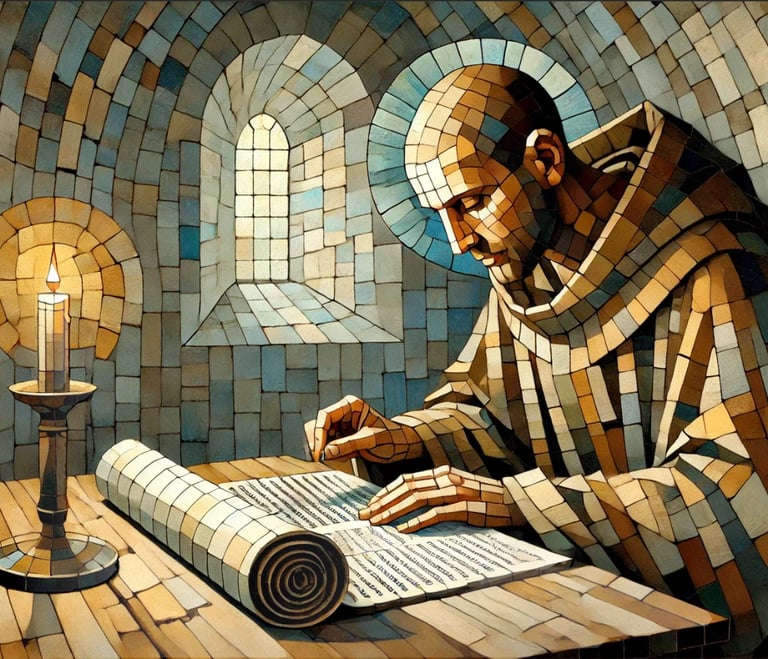
The practice of lectio divina (sacred reading) is central to the Order’s spiritual life. This ancient Benedictine practice involves the slow, prayerful reading of Scripture, allowing the Word of God to penetrate the heart and transform the mind. Through its four movements of reading, meditation, prayer, and contemplation, members encounter Christ in his Word and are formed by the same Scriptures that shaped St David and St Benedict.
The Holy Eucharist
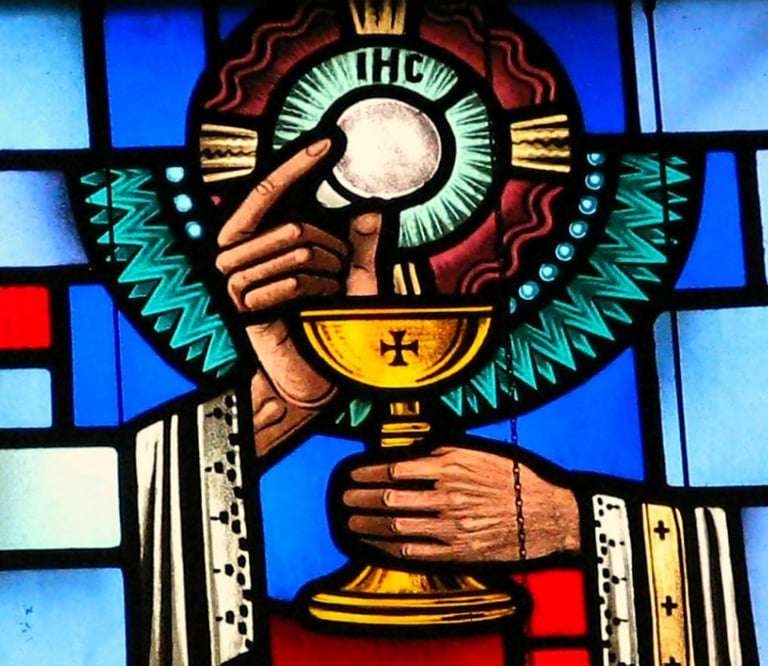
The Holy Eucharist is the source and summit of the Order’s spirituality. Members strive to attend Mass each day, and where daily attendance is not possible, they make a spiritual communion, uniting themselves to Christ’s sacrifice with heartfelt desire. Attendance at Mass on all Sundays and holy days of obligation is expected.
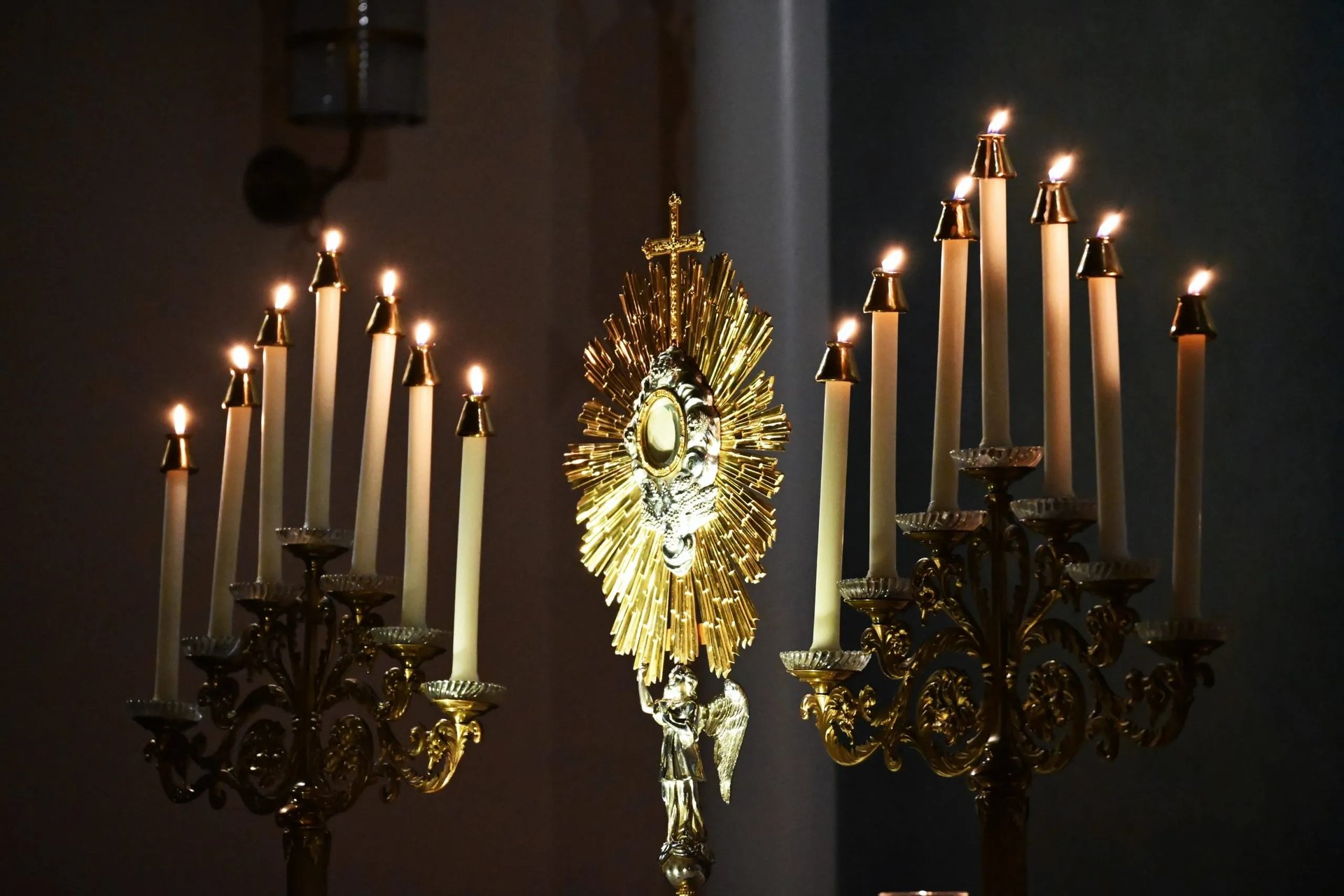
Members are encouraged to spend time in Eucharistic adoration, allowing the Real Presence of Christ to transform and sanctify them. A weekly holy hour before the Blessed Sacrament is warmly recommended. The Mass may be celebrated according to either the modern or the traditional Latin form, in accordance with the liturgical provisions of the Ancient Apostolic Catholic Church.
Marian Devotion
Members honour the Blessed Virgin Mary with special reverence as the model and protector of consecrated life. Mary’s example of humility, obedience, and purity provides a pattern for all who follow her Son, and her maternal intercession strengthens members through every season of their journey.
The daily Rosary is warmly recommended, and at the very minimum members pray at least one decade each day. The principal Marian feasts of the Church are observed with particular devotion, and members may adopt additional practices such as the Angelus, the Memorare, or consecration to Mary.
Asceticism for Today
St David was known for his extreme asceticism, but the Order adapts his spirit rather than his letter for contemporary life. Members cultivate self-discipline, detachment from bodily comforts, and the willingness to embrace small sacrifices united with the sacrifice of Christ. Asceticism, rightly understood, is not about rejecting the body but about ordering it well. The body is good, created by God and destined for resurrection, yet fallen human nature requires discipline if the spirit is to flourish.
Specific practices include observing the Church’s universal fasting days, additional abstinence from meat on all Wednesdays in honour of St David, moderation in eating and drinking, simplicity in possessions and schedule, prudent restraint in the use of digital technology, and periods of deliberate silence each day. Members also make an annual retreat of at least three days in silence and solitude, withdrawing from ordinary activities to focus entirely on God.
Silence and Solitude
St David’s monks spent their evenings in prayer, reading, and writing, cultivating the silence that fosters contemplation. Members of the Order seek to mirror this practice in their own lives by moderating speech, avoiding idle chatter, and choosing their words with care. Each day should include some period of deliberate silence apart from formal prayer, whether a quiet morning before the day begins, a reflective evening after work, or chosen moments of stillness amid the activity of the day.
The Threefold Mission


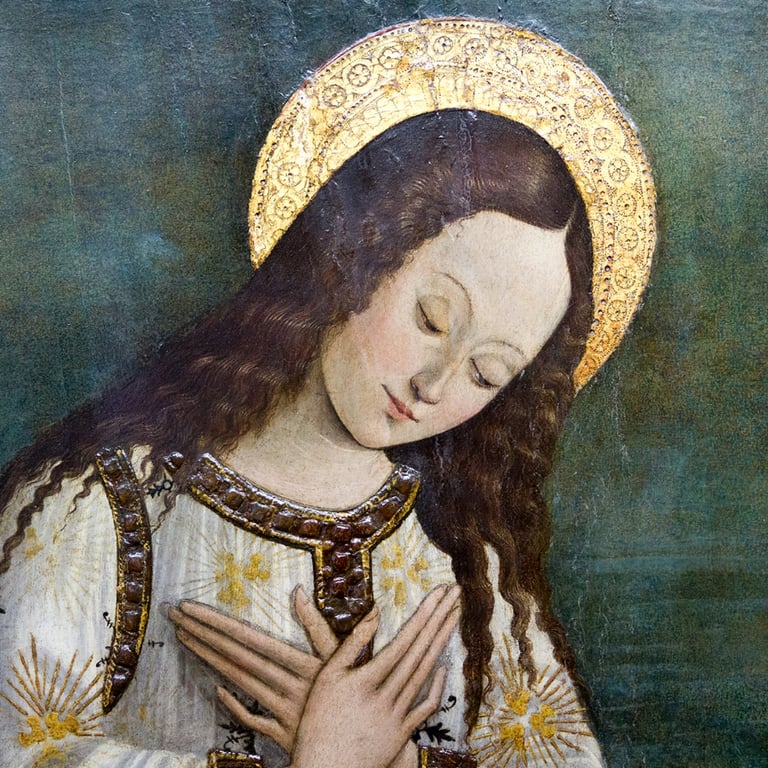
A Prayer:
The Foundation of Everything
Nothing is to be preferred to the love of Christ, and nothing is to be preferred to the Work of God, which is prayer. This principle, drawn from the Rule of St Benedict, lies at the heart of life in the Order of St David. Members dedicate themselves to prayer as the foundation and source of their consecrated life, committing to at least one hour of prayer daily, divided throughout the day according to the demands of their circumstances.

Order of St David © 2026 All Rights Reserved.